
Behind the Curtain: Executing Effective Brand Messaging Like Megadeth
How photographers can borrow music‑industry playbooks — clarity, ritual, and productization — to build authentic brands that sell.
Behind the Curtain: Executing Effective Brand Messaging Like Megadeth
Learn from the music industry on how clear messaging and creative authenticity can resonate with fans and improve brand visibility in the photography community.
Introduction: Why the Music Playbook Matters for Photographers
Brand messaging is a universal instrument
Great bands don’t just play songs — they communicate a consistent identity that turns listeners into lifelong fans. For photographers, brand messaging functions the same way: it shapes what audiences expect, share, and ultimately buy. This guide translates music‑industry lessons into step‑by‑step actions you can use to sharpen your photography branding, increase discoverability, and turn followers into paying customers.
How we’ll approach this guide
Expect practical frameworks, a clear checklist, and studio‑tested tactics for content strategy, rights, and community engagement. Where relevant, I’ll point you to deeper reads across our resource library so you can take immediate action — for example, if you want to sharpen your editorial workflow, check Gmail tips for creators in our guide on Gmail Hacks for Creators: Staying Organized Amid Changes.
Why Megadeth is a useful analogue
Megadeth is famed for clear, uncompromising messaging: political edge, technical virtuosity, and a consistent visual palette across albums and tours. They show what happens when identity, content, and distribution align. Later in this guide we’ll map their approach to photography-specific tactics for portfolio presentation, productization, and fan-first community building.
Section 1 — Decode the Elements of Clear Brand Messaging
Core message: what you stand for
Your core message is a short, repeatable phrase that guides every decision — from cover images on social to pricing on prints. Bands like Megadeth keep their message central: whether it’s defiance, political commentary, or raw technical skill. For photographers, your core message might be 'documentary empathy', 'avant‑garde fashion', or 'luxury architectural minimalism'. Define it tightly and repeat it.
Audience persona: who you're speaking to
Brands that resonate profile their audience like bands cast their target fan: age, income, media habits, and emotional triggers. Use audience research and tests to validate assumptions. For creators building email funnels, parallel advice in SEO Strategies for Mindfulness Newsletters shows how tailored messaging improves open rates and retention — the same principle applies to photography newsletters and product drops.
Voice and visual identity
Pitch, tone, and visual consistency are the instruments of your brand. Just like album art and stage lighting, your portfolio thumbnails, Instagram grid, and product mockups must harmonize. A simple brand style sheet (colors, serif/sans, logo usage, tone examples) produces dramatic lift in perceived professionalism and trust.
Section 2 — Case Study: What Photographers Can Learn from Megadeth
Positioning: carved out, not crowded
Megadeth’s positioning is not 'we’re a band' — it’s 'we are the authoritative voice in thrash metal with political grit'. Translating that: don’t label yourself generically as 'photographer' if you can be 'documentary photographer for labor movements' or 'editorial stills photographer for indie fashion'. Narrow positioning attracts the right clients and fans.
Consistent content delivery
From album cycles to tours, the music industry maps content calendars years ahead. For photographers, plan releases the same way: portfolio updates, seasonal print drops, and themed series. If you use AI for ideation or editing, balance automation and authenticity — read our take on Balancing Authenticity with AI in Creative Digital Media to avoid hollowing out your message.
Fan rituals and productization
Bands sell more than music — they sell rituals (limited vinyl, VIP meetups). Photographers should productize similarly: limited-edition prints, signed zines, or behind‑the‑scenes memberships. These offerings convert casual followers into invested patrons.
Section 3 — Crafting a Photography Brand Narrative
The narrative arc: origin, mission, future
Tell a three-part story: how you started (origin), why you create (mission), and what's next (future). This simple arc builds emotional attachment. Use micro‑stories on social to humanize each project: the reason behind a series, the technical challenge, and the impact on subjects.
Using themes to build cohesion
Create recurring thematic anchors (color palette, subject types, editing style) so a visitor can understand your work at a glance. Themes scale better than one-off visuals because they enable cross-sell and clearer merchandising.
Proof: show, don’t only tell
Case studies do heavy lifting. Document client results (exposure, conversions, licensing income) in a short 'before/after' format. For issues around compliance and IP when publishing case studies, see our practical guide Creativity Meets Compliance: A Guide for Artists and Small Business Owners.
Section 4 — Visual Identity: Album Covers, Portfolios, and Thumbnails
Design rules from album art
Album covers are designed to capture identity in one frame. Treat your portfolio cover, homepage hero, and thumbnail images similarly: one signature image should communicate your voice. Use consistent typography and treatment so your thumbnails become instantly recognizable in feeds.
Photography grids and the 'listening' experience
Just like playlists shape listening, your gallery order shapes the viewer's emotional arc. Sequence images to create cadence: tension, release, contrast. Test different sequences with small audience cohorts and measure engagement.
Practical toolkit and presets
Develop a small set of editing presets and mockup templates you use for products. This reduces decision fatigue and keeps your visual voice consistent. For a look at how AI and technology change creative production, check The Intersection of Art and Technology.
Section 5 — Content Strategy: Release Cadence and Channel Mix
Mapping a release calendar
Music labels plan single releases, videos, and tours; photographers should plan shoots, editorial drops, and product launches on quarter timelines. Use content pillars (educational, portfolio, product, community) and assign frequency targets. For newsletter-driven creators, our piece on optimizing newsletters provides useful cadence tips — see SEO Strategies for Mindfulness Newsletters.
Choosing the right channels
Not all channels fit every photographer. Test Instagram for discovery, LinkedIn for commercial clients, and a direct website for sales and licensing. Directory changes and platform discovery dynamics are evolving — read our take on The Changing Landscape of Directory Listings to understand how listings impact discoverability.
Repurposing like a label
Turn a shoot into 10 assets: hero image, behind-the-scenes clip, before/after edit, client testimonial graphic, and a short essay. This multiplies touchpoints and keeps messaging consistent across platforms.
Section 6 — Community Engagement: Turning Followers into Fans
Fan rituals and recurring events
Create rituals: monthly Q&As, print drops, or local exhibitions. These recurring moments drive anticipation the same way tours and album releases do for bands. If you organize collaborative events, our guide on crafting co-op events offers practical collaboration templates: Unlocking the Symphony: Crafting Memorable Co-op Events.
Memberships and VIP experiences
Consider a membership tier: early access to prints, exclusive edits, or member-only live critiques. Memberships fund consistent creative output and deepen loyalty.
Community guidelines and trust
Set clear community rules and moderation policies to protect safe conversation and ensure long-term engagement. For trust and transparency especially around data and platform relationships, see insights on Data Transparency and User Trust.
Section 7 — Rights, Licensing, and Creative Compliance
Licensing basics for photographers
Clearly outline usage rights, duration, territory, and exclusivity. Standardize license templates so every client interaction is efficient and predictable. If you create mission-driven content, pair agreements with clear subject releases to protect both subjects and your brand.
Creative ethics and consent
Music and visual arts share ethical risks. When publishing images of vulnerable people or sensitive events, document consent and context. For broader ethical guidance about content creation with conscience, see Creating Content with a Conscience.
When compliance shapes creativity
Regulation and platform policies can alter what you publish. Learn to design creative alternatives that remain powerful under constraints. Our piece on creativity and compliance explores this balance: Creativity Meets Compliance.
Section 8 — Technology, AI, and the Authenticity Dilemma
Using AI without losing your voice
AI can accelerate caption drafts, selection, and even editing, but misuse dilutes authenticity. Read practical frameworks for integrating AI responsibly in creative workflows in Artificial Intelligence and Content Creation: Navigating the Current Landscape and Balancing Authenticity with AI in Creative Digital Media.
Security and tool hygiene
Secure your toolset and assets: backups, permissioned shares, and credential hygiene. For best practices in securing AI tools and infrastructure, refer to Securing Your AI Tools: Lessons from Recent Cyber Threats.
Ethical pitfalls: non-consensual image generation
Emerging tech can enable misuse — stolen likenesses or synthetic images that harm subjects. Protect against these threats by monitoring marketplaces and DMCA channels; learn more about the growing risks in The Growing Problem of Non-Consensual Image Generation.
Section 9 — Measurement: How to Track Audience Resonance
KPIs that mirror band metrics
Bands track ticket sales, streams, and fan growth. Photographers should track inquiry volume, conversion rate on print drops, newsletter growth, and licensing revenue. Create a dashboard that combines qualitative feedback (comments, DMs) with quantitative metrics (CTR, revenue per campaign).
A/B testing your messaging
Test subject lines, hero images, and product descriptions. Small lifts compound — test one variable per campaign and run until statistically significant. Use learnings from platform shifts and app behavior to keep tests relevant; see Understanding App Changes for context on how app updates change engagement baselines.
Longitudinal brand health
Run annual brand audits: are people describing your work the way you intend? Use surveys in newsletters, and qualitative interviews with top clients. For privacy expectations and how they influence user responses, read Understanding User Privacy Priorities.
Section 10 — Execution Playbook: 12-Week Launch to Rebrand Like a Tour Cycle
Week 1–4: Strategy and assets
Clarify your core message, audience personas, and create a style sheet. Assemble 10 hero images, 5 product mockups, and a short video. This is your 'album' ready for release.
Week 5–8: Build and test
Implement website updates, schedule social posts, and run two A/B tests: new hero image vs old, and a targeted newsletter subject line. Use productivity tips and inbox setups from our Gmail guide Gmail Hacks for Creators to streamline outreach.
Week 9–12: Launch and iterate
Drop your 'single' (lead image + product), promote community rituals, and collect feedback. Iterate monthly, and plan a follow-up 'tour' — pop-up exhibitions or collaborative events — using collaboration playbooks like Unlocking the Symphony.
Pro Tip: A focused message with a single recurring visual cue (color, motif, or crop style) can increase recognition by up to 30% in longitudinal A/B tests. Consistency compounds.
Comparison Table — Messaging Tactics: Music Industry vs Photography
| Tactic | Music Industry Example | Photography Equivalent | Primary KPI |
|---|---|---|---|
| Signature release | Lead single + music video | Hero image + limited print drop | Sales / Preorders |
| Tour | Live dates & merch | Pop-up exhibits & zine bundles | Revenue per event |
| Fan club | VIP lists / fan club | Paid membership / patron-only content | Monthly recurring revenue |
| Press cycle | Album reviews & features | Editorial placements & case studies | Referral traffic |
| Visual consistency | Album art themes | Presets & thumbnail rules | Recognition lift |
Section 11 — Platform Risks and Futureproofing
Platform shifts and discovery
Algorithm and app updates rewrite discovery overnight. Prepare by diversifying channels and investing in owned assets (email lists, a professional portfolio). For a broader look at platform changes and their educational impacts, read Understanding App Changes.
Transparency and user trust
Trust is increasingly a differentiator. Transparent data practices and fair licensing not only reduce risk but attract clients who value ethical creators. See the implications in our review of Data Transparency and User Trust.
Investing in compute and distribution
As AI and high-resolution assets demand more compute, consider how you'll store, process, and deliver files. Strategies for distributed compute and cost management are covered in AI Compute in Emerging Markets, which is instructive if you’re building complex delivery systems for large images and derivative products.
Section 12 — Checklist & Templates
Immediate actions (first 30 days)
1) Define your core message in one sentence. 2) Create a 5-item style sheet. 3) Build an email sign-up with a single lead magnet (zine or print raffle).
90‑day campaign template
Use the 12-week cycle above. Schedule one lead release, two community rituals, and monthly measurement checkpoints.
License and release templates
Adopt simple, clear usage licenses and model releases for subjects. When in doubt about legal complexity, revisit Creativity Meets Compliance for baseline templates and red flags.
FAQ — Frequently Asked Questions
Q1: How specific should my core message be?
A: Very specific. A tightly focused message helps you stand out; you can always expand later. Think of it like choosing a genre before exploring sub-genres.
Q2: Can I use AI to speed up my content without losing authenticity?
A: Yes, if you use AI for augmentation (editing, cropping suggestions, caption drafts) and keep human oversight. Read best practices at Artificial Intelligence and Content Creation.
Q3: What’s the easiest membership model for photographers?
A: Start with a small, $5–$15 monthly tier offering early access to prints, occasional live critiques, and a private feed. Test pricing with current fans.
Q4: How do I protect images from misuse online?
A: Use watermarked preview images, embed metadata, and maintain a DMCA process. Monitor platforms for non-consensual use and learn about the technology risks in The Growing Problem of Non-Consensual Image Generation.
Q5: Which KPIs should I prioritize in year one?
A: Newsletter subscribers, monthly inquiries, conversion rate on prints, and licensing deals. Tie each KPI to a campaign to ensure measurable progress.
Conclusion — Play Your Set and Keep Touring
Brand messaging is not a one‑time rebrand — it’s an ongoing performance. Learn from bands like Megadeth: define a clear identity, schedule consistent releases, productize experiences, and protect your work ethically. Use the tools and reads linked throughout this guide to build workflows, secure your stack, and keep your message human. For broader context on AI marketing frameworks and transparency guidelines, read Navigating AI Marketing: The IAB Transparency Framework and for sector examples about platform fallouts see Learning from Meta: Workplace VR.
Now go draft your one-sentence core message, pick a signature image, and schedule your next 'single' — and remember: clarity and authenticity are instruments you can tune.
Related Reading
- Balancing Authenticity with AI in Creative Digital Media - A practical primer on keeping your voice while using AI.
- Artificial Intelligence and Content Creation - How AI workflows are reshaping creative output.
- Creativity Meets Compliance - Legal templates and compliance advice for creators.
- Data Transparency and User Trust - Why transparency matters for long-term brand health.
- Gmail Hacks for Creators - Quick productivity wins to manage outreach and launches.
Related Topics
Unknown
Contributor
Senior editor and content strategist. Writing about technology, design, and the future of digital media. Follow along for deep dives into the industry's moving parts.
Up Next
More stories handpicked for you

Protect Your Art: Navigating AI Bots and Your Photography Content
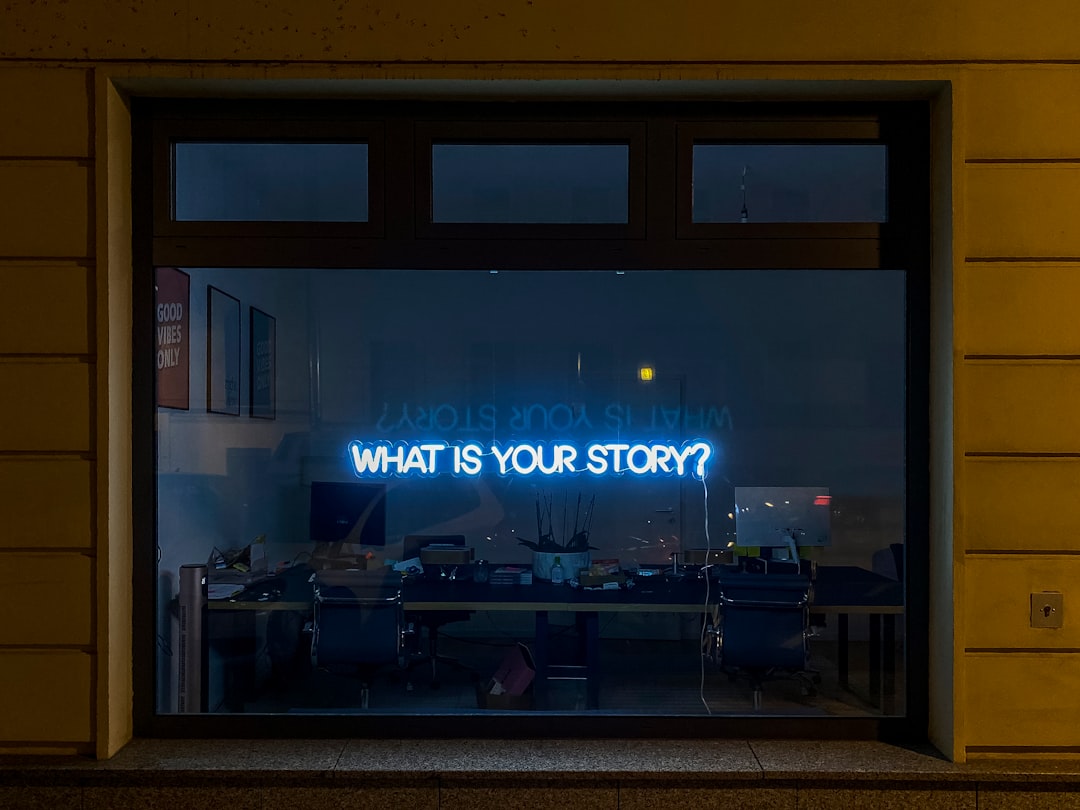
Inspired by Jill Scott: How to Infuse Personal Storytelling into Your Visual Photography Projects

AI Visibility: Ensuring Your Photography Works Are Recognized in the Digital Age

Satire and Design: How Humor Can Elevate Your Photography Portfolio

Future Retreats: Capturing Unique Moments for Brands in the Social-First Era
From Our Network
Trending stories across our publication group

The Intersection of Art and Sport: Creating Visual Commentary on NFL Dynamics

Adapting to Change: Preparing Your Art for Digital Wallets

Navigating Typography in a Digital Age: Insights from Traditional and Modern Media

Challenging Traditional Typography: Grand Statements in Brand Design

Leveraging Bollywood's Narrative: How ‘King’ Influences Visual Storytelling for Creators
